


In modern exhibition halls or fairs, visual experience almost determines the visitor’s stay time and interest. People’s attention spans are getting shorter, and competition for corporate booths is getting fiercer. If you want to stand out among the crowd of booths, a high-quality LED display is almost the “ace” in the standard configuration. Today, let’s talk about the application value, selection points and price range of LED screens in exhibition halls.
First of all, why must LED screens be used in exhibition halls?
The reason is actually very simple – “eye-catching” and “interaction”. Compared with traditional posters or LCD displays, LED large screens have higher brightness, fuller colors, wider viewing angles, and the content can be changed at any time. For example, at large exhibitions, you can play brand videos, product demonstrations, and even 3D animations to attract the audience to stop with dynamic images. Even if it is just for a few seconds, it is enough to leave an impression. Especially the curved or transparent LED screens can create an immersive experience full of technology.
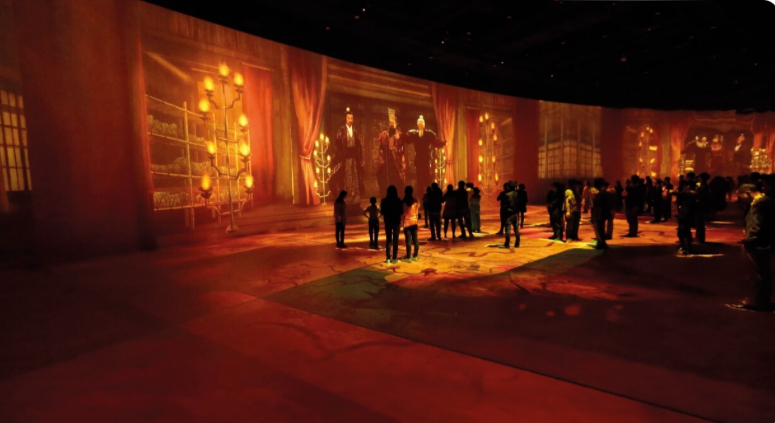
Secondly, there are many application scenarios for LED screens in exhibition halls.
Common ones are:
Main booth background wall – used to play brand stories, dynamic LOGO, and real-time event pictures;
Information release screen – placed at the entrance or passage to display event arrangements, guide routes, etc.;
Curved or surround screens – create an immersive space, suitable for high-end automobiles and technology exhibitions;
Floor tile LED screen – interactive underfoot, allowing the audience to participate;
Transparent screen – used on glass windows or showcases, taking into account both display and perspective.
From a technical point of view, exhibition hall LED screens are mainly high-definition and small-pitch, and common models include P1.5, P1.8, P2.5, P3, etc.
The indoor use environment is relatively stable and does not require a high waterproof and dustproof level, but it does require fine image quality, a high refresh rate, and no ripples when taking photos. For example, P2.5 screens are often used in medium and large exhibition areas, which can ensure clarity and are more economical and practical. For high-end brand exhibitions that pursue the ultimate visual experience, you can choose a P1.8 or even P1.2 small-pitch screen, and the picture is so delicate that it is close to TV quality.
Many customers tend to overlook one point when purchasing – exhibition hall LED screens are not “once you buy them”.
It requires reasonable content design, control scheme and post-maintenance. For example, the control system must support multi-source signal switching (video, computer, camera, etc.), and the rhythm and visual hierarchy of picture playback must be considered. For maintenance, it is recommended to choose a front-maintenance magnetic design to facilitate module replacement.
From the perspective of long-term investment, a good quality LED screen can be used for 5-8 years and has very high stability. Compared with renting exhibitions and repeatedly setting up and setting up exhibitions several times a year, long-term self-owned equipment saves trouble and money. And now LED technology is becoming more and more mature, with light weight, low power consumption, and more flexible transportation and installation.
Finally, to be honest, the core competitiveness of exhibition halls has changed from “a lot of exhibits” to “a good experience”. LED screen is not a simple display tool, but a window for brand communication. A LED display system with reasonable design and stunning images can turn your booth from a passer-by into a “check-in spot”.